Back to servicesBuild
Flutter mobile apps for iOS and Android in Qatar
Flutter app development in Qatar — one codebase for iOS and Android, built for performance and reach.
EngagementProject-based
TierBuild
Best forStartups & product teams
Stack6 technologiesJump to stackOverview
How I can help
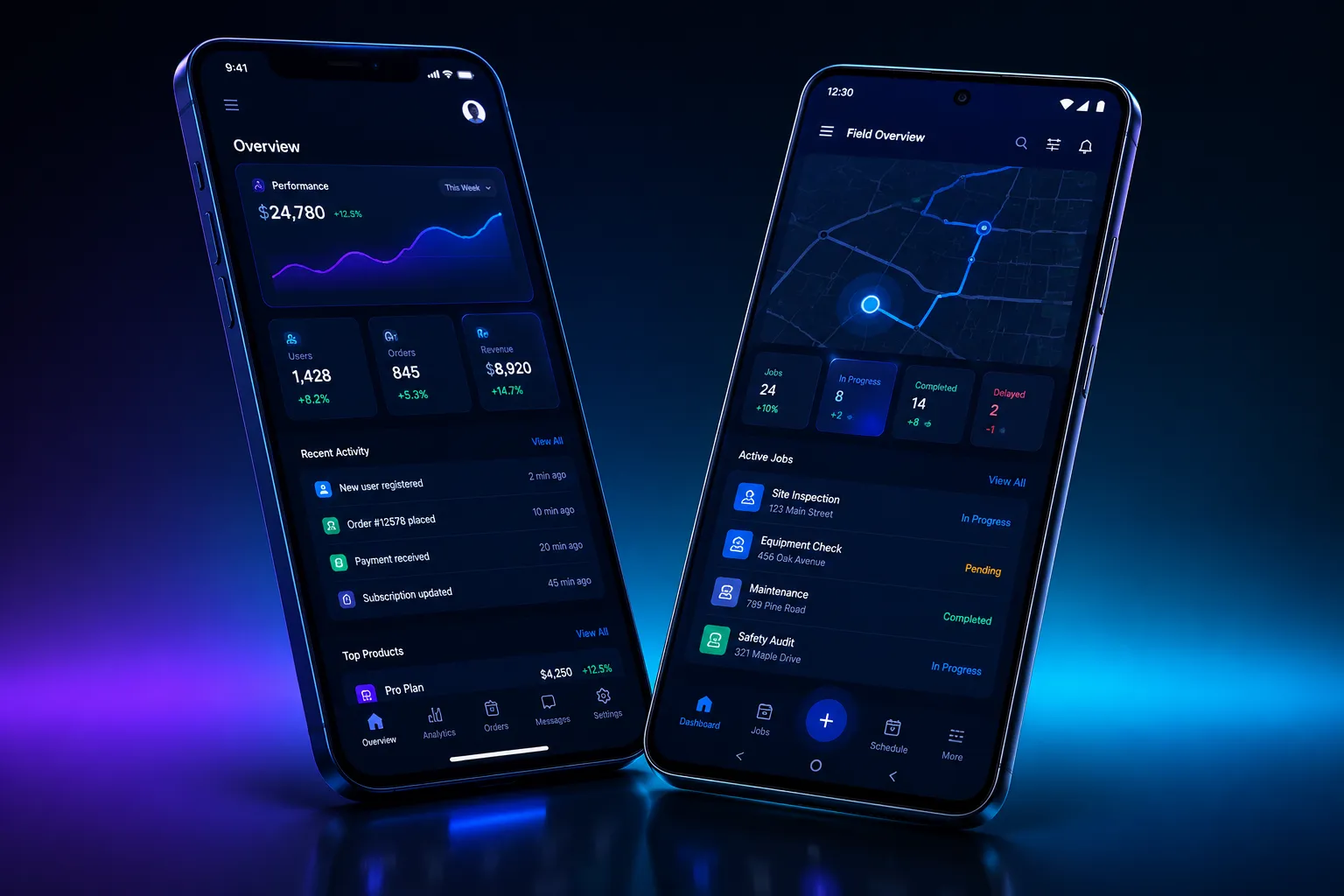
I build cross-platform mobile apps with Flutter for businesses in Qatar, the GCC, and worldwide. One codebase ships to both iOS and Android, which keeps cost down and releases in sync. As a mobile app developer in Doha, I have shipped consumer apps, real-time field tools, and SaaS mobile clients — handling the app, the backend it talks to, and the app-store release.
01 — Deliverables
What I deliver
iOS and Android from one codebase
A single Flutter codebase that ships to both platforms with a native feel. You get two apps for close to the cost of one, and feature parity without maintaining separate teams.
Real-time and offline features
Live tracking, push notifications, and offline-capable storage for apps that work in the field, not just on strong wifi. Built and tested against real network conditions.
Backend & API integration
The app connects to a Laravel or Firebase backend through a clean API, with secure authentication. I build both sides, so the data flow is designed end to end.
App store release
I handle the build, signing, and submission to the App Store and Google Play, including the metadata and assets each store requires to get you approved.
02 — Process
How I work
Scope & flows
We define the core user flows and the smallest version worth shipping, so the first release reaches users quickly.
Build & integrate
I build the screens and wire them to the backend in reviewable increments, with builds you can test on a real device along the way.
Test on devices
We test on real iOS and Android hardware against real conditions — slow networks, interruptions, and edge cases — before submitting.
Release & iterate
I submit to both stores and support the first releases, then we iterate based on what real users do.
03 — Tech stack
What I build with
- FlutterMobile framework
- DartLanguage
- FirebaseBackend services
- REST APIAPI layer
- iOSPlatform
- AndroidPlatform
04 — Fit
Who this is for
- Startups launching a consumer or marketplace app
- Businesses that need a Flutter developer for field tools
- Product teams wanting iOS and Android without two codebases
- Companies adding a mobile client to an existing platform
05 — Related work
Related work
DocPort
Logistics SaaS platform with shipment tracking, delivery management, and mobile logistics operations
View case study →QuestBus
University transportation management app with real-time bus tracking, route optimization, and fleet operations management
View case study →The Deal App
Qatar-based marketplace connecting buyers, sellers, job seekers, investors, and business owners in one digital ecosystem
View case study →06 — FAQ
Frequently asked questions
How much does it cost to build a mobile app in Qatar?
It depends on the features — real-time tracking, payments, and offline support each add scope. Because Flutter ships to both iOS and Android from one codebase, you avoid paying twice for two native apps, which keeps the cost meaningfully lower.
Why use Flutter instead of native iOS and Android?
Flutter lets one codebase serve both platforms with near-native performance. For most business apps that means lower cost, faster delivery, and releases that stay in sync — without the overhead of maintaining two separate native apps.
Can you publish the app to the App Store and Google Play?
Yes. I handle the full release — building, signing, store listings, and submission to both Apple's App Store and Google Play, including the assets and metadata each store requires.
Do you build the backend for the app too?
Yes. I build the backend and API the app relies on, usually with Laravel or Firebase. Designing both sides together avoids the integration problems that appear when the app and backend are built by different people.
Can you add a mobile app to my existing system?
Yes. If you already have a backend, I build the Flutter app against your existing API, or extend the API where the mobile app needs data the current system does not yet expose.
Have a project in mind?
Tell me what you're building. I'll come back with a clear, scoped plan — no obligation.
About my approach →